

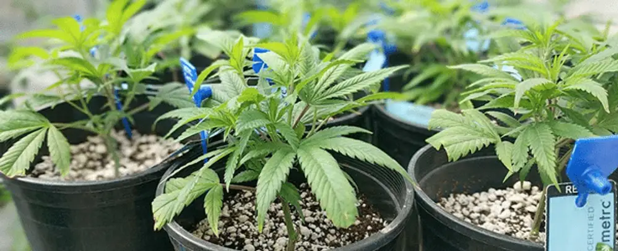
As more states move cannabis into legal or regulated markets, growers across the country are gaining access to professional nursery-grown clones rather than relying on unregulated sources. For cultivators in the Midwest and Mid-Atlantic, two markets in particular have opened up in meaningful ways over the last few years: Michigan and Maryland. Understanding what’s legal, what’s available, and how to source responsibly in each state matters for anyone getting serious about growing at home or at commercial scale. People researching clones for sale in michigan should consult current state and local sources before assuming that an advertised transaction fits their circumstances.
Begin with the Exact Jurisdiction: Additional Considerations
Cannabis rules can differ by state, city, county, license type, and property. Buyers should use current official sources instead of assuming that a statewide market makes every transaction or cultivation plan legal. Age limits, plant counts, visibility, medical provisions, transport, and commercial licensing may all require separate review.
Identify the Product Stage
Michigan has one of the most established recreational and medical cannabis markets in the region, and its clone supply chain reflects that maturity. If you’re searching for Michigan clone listings, you have real options: licensed nurseries operate throughout the state, servicing both commercial cultivators and adult-use home growers under the state’s personal cultivation allowance. Michigan permits adult residents to grow up to 12 plants per household, which has created strong demand for high-quality clones among hobbyist growers looking to skip the seed stage entirely.
Review Genetic Information
Michigan’s climate favors indoor and greenhouse cultivation, so clone selection tends to lean toward strains that finish reliably under artificial light with predictable flower times. Popular offerings include classic hybrids, heavy indica-dominant cultivars for commercial extract markets, and boutique exotics that fetch premium prices at recreational dispensaries in Detroit, Grand Rapids, and Ann Arbor. When shopping for Michigan clone listings, prioritize licensed nurseries that provide pest and pathogen testing. The state’s regulated commercial market has high compliance standards, and even home growers benefit from those same testing practices trickling down. The same caution applies to cannabis clones maryland, because possession, transfer, cultivation, and property rules may differ.
Plan for Local Weather and Transport
A young plant can be stressed by heat, cold, wind, or a long wait in a vehicle. Pickup and delivery should be planned around current conditions, with containers kept upright and foliage protected. Plants should not remain on a porch or in a parked car. A direct trip to a prepared receiving area reduces avoidable exposure.
Compare Plant-Health Standards
Maryland’s market is newer but growing quickly. Since the state moved to full adult-use legalization, demand for Maryland clone listings that residents can legally purchase has climbed sharply, and licensed cultivators have expanded operations to meet the new demand. The state allows limited personal cultivation for medical patients under specific conditions, and the commercial licensing framework has expanded to include cultivation facilities that source from in-state and out-of-state nurseries operating within compliance requirements.
Plan for Local Weather and Transport: Additional Considerations
Buyers looking for Maryland clone listings should confirm current state rules before purchasing, as regulations continue to evolve, and what’s permissible for personal cultivation versus commercial cultivation differs meaningfully. Licensed cultivators must source through the state’s tracked supply chain and log every transaction; personal-use growers should verify their eligibility with the Maryland Cannabis Administration before ordering. Rules can also change with each legislative session, so check current guidance rather than relying on older forum posts.
Prepare a Receiving Area
Clean tools, moderate light, gentle airflow, labels, and enough space for inspection should be ready before the order arrives. New plants can be photographed and observed separately from established ones when practical. This allows the buyer to identify transport damage, pests, or unusual symptoms without immediately exposing the rest of the garden.
Prepare a Receiving Area: Additional Considerations
In both states, the fundamentals of choosing a good clone source stay the same regardless of local regulations. Ask about mother-plant health, testing protocols, and the nursery’s fulfillment process. Insulated shipping matters year-round but especially during Michigan winters and Maryland’s humid summers, when temperature swings during transit can stress young plants badly and produce weak starts even from otherwise-strong genetics.
Acclimate Gradually
Strain selection should reflect local market preferences and dispensary buyer trends. In Michigan, sweet and gassy hybrids sell well at retail, so growers often prioritize those flavor profiles when planning inventory. In Maryland, the emerging market is still finding its identity. Early demand has favored proven classics and high-THC hybrids, but exotic terpene profiles are gaining traction as consumers become more educated and discerning.
Keep Records and Verify Compliance
Saving order details, plant labels, seller correspondence, arrival photographs, and legal references creates an organized record. Commercial operators may have additional inventory or transfer requirements. Personal growers also benefit from written notes because regulations and property arrangements can change over time.
Evaluate Supplier Communication
For growers in either state, the takeaway is the same: work with licensed, transparent nurseries, verify testing, and match your strain choices to your environment and market. Both Michigan clone listings and Maryland clone listings options continue to expand, and the growers who invest early in strong genetic sources are the ones best positioned to succeed as these markets mature.
Use a Written Checklist
A short written checklist keeps the decision process consistent. It can include legal verification, product stage, expected size, source information, transport timing, arrival photographs, environmental preparation, and the seller’s reporting policy. Written answers are easier to compare than memory, especially when several suppliers or products are being considered. The same checklist can be reused during receiving so that important details are not missed when the plant arrives.
Final Thoughts
Location-based purchasing requires more than a search result. Buyers need current legal information, a suitable plant, careful transport, a prepared receiving area, and clear seller policies. Local climate and property rules can influence the plan as much as the strain name. A consistent checklist helps customers compare sources responsibly and reduce preventable problems after arrival.